
N4LCD

N4LCD Paul Quillen, N4LCD
Amateur Extra
35 Alex Drive NW
Cartersville, GA 30121
770-382-1023 Home

Email Paul Quillen N4LCD
QRZ link to N4LCD

QRZ Callsign Lookup:

Fact of the Day

When all else fails...

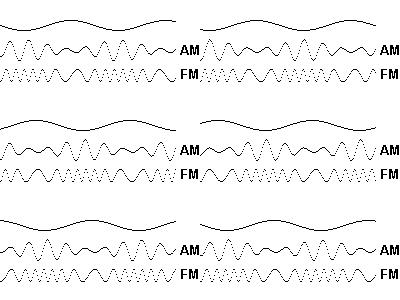
AM vs. FM Modulation

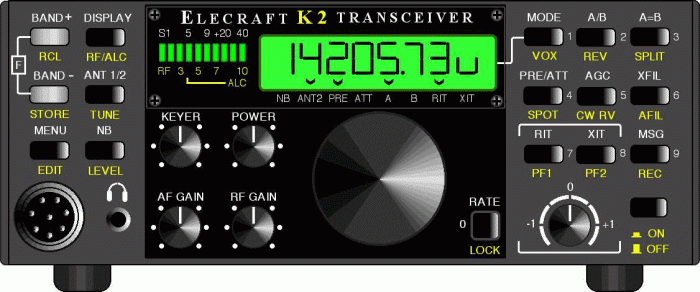
Elecraft

Elecraft K2:
K2

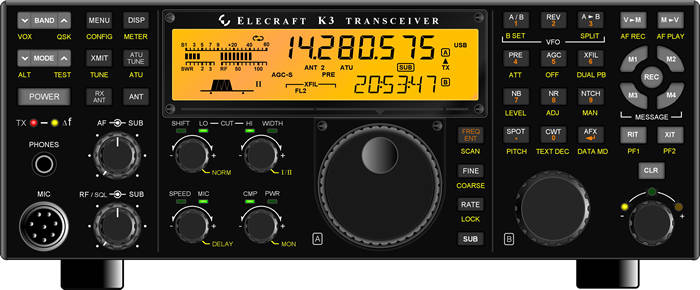
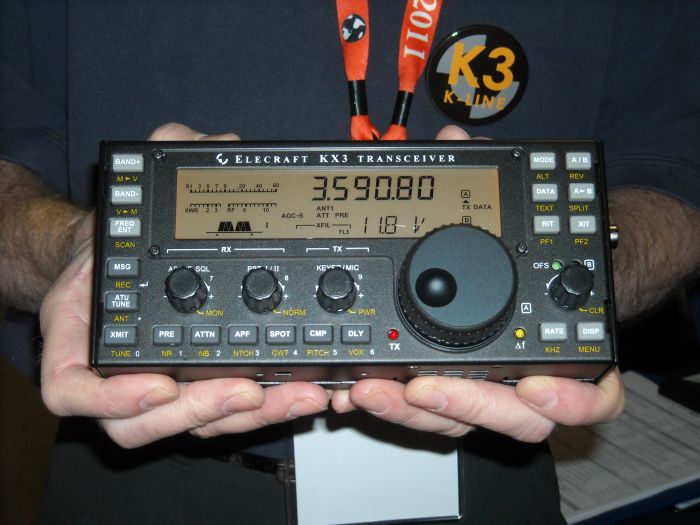
Elecraft K3:
K3

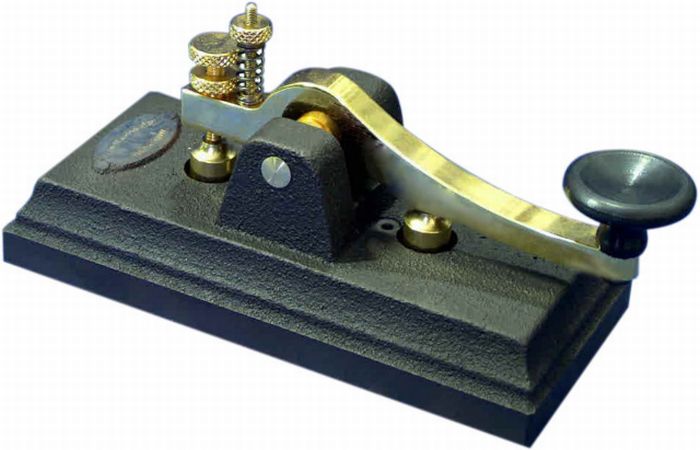
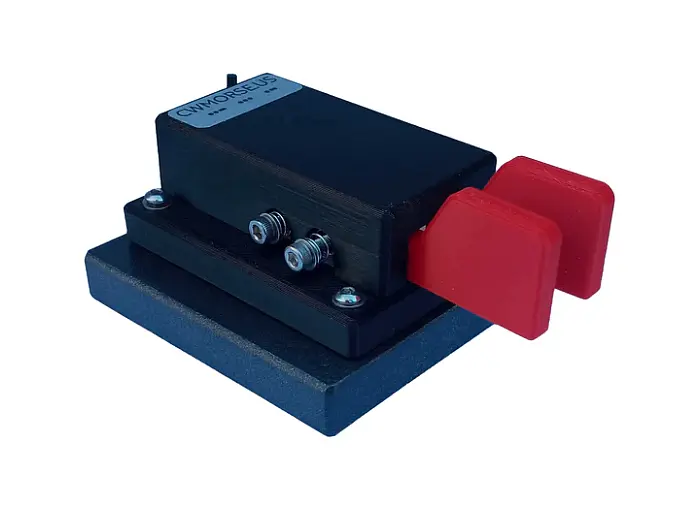
Begali Camelback:
Begali Camelback

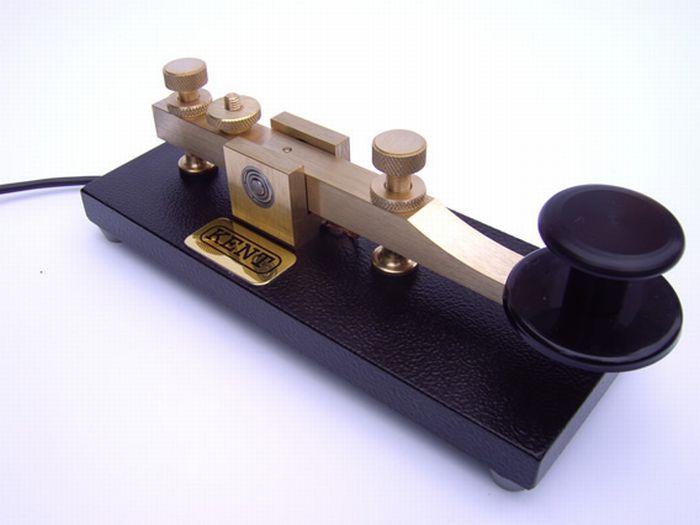
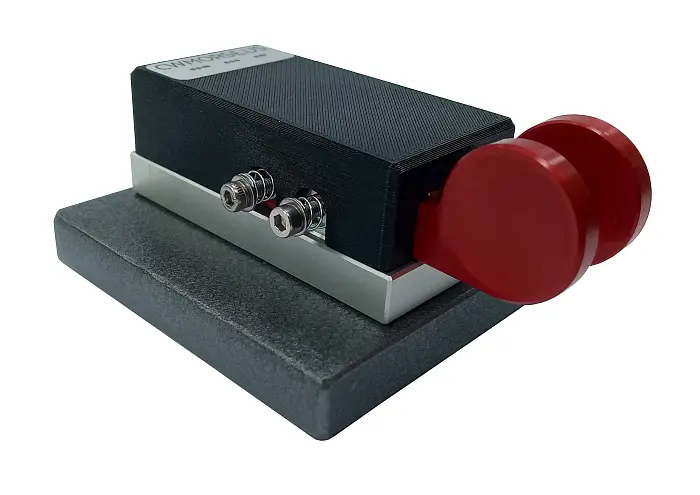
Solid Steel Base Kent KT1:
Solid Steel Base Kent KT1

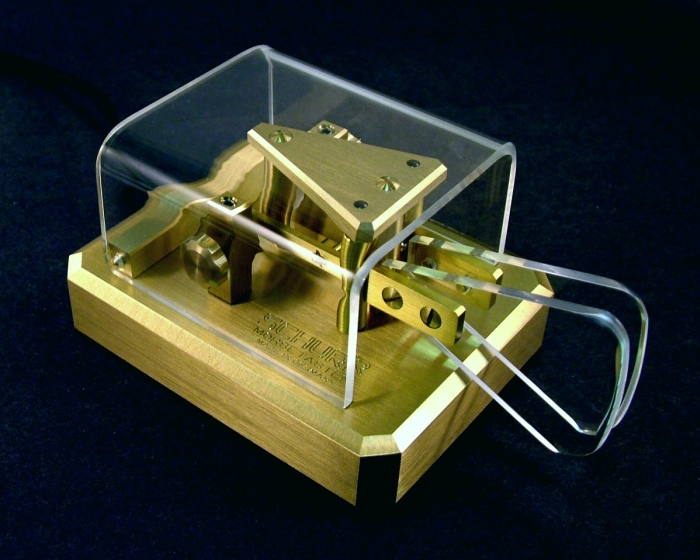
Schurr Profi 2:
Schurr Profi 2

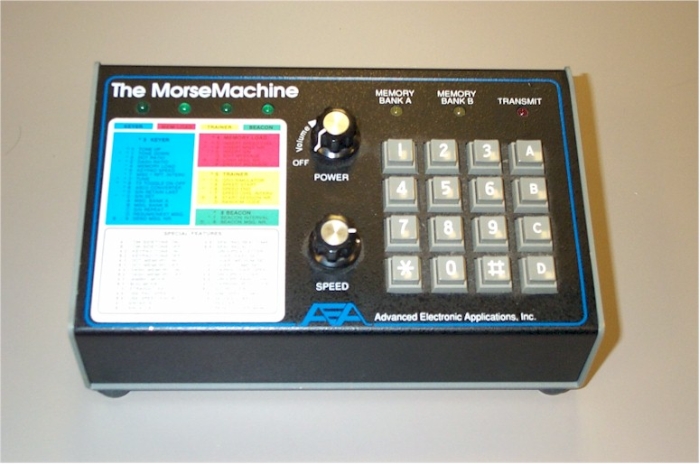
AEA MM-3:
AEA MM-3 keyer

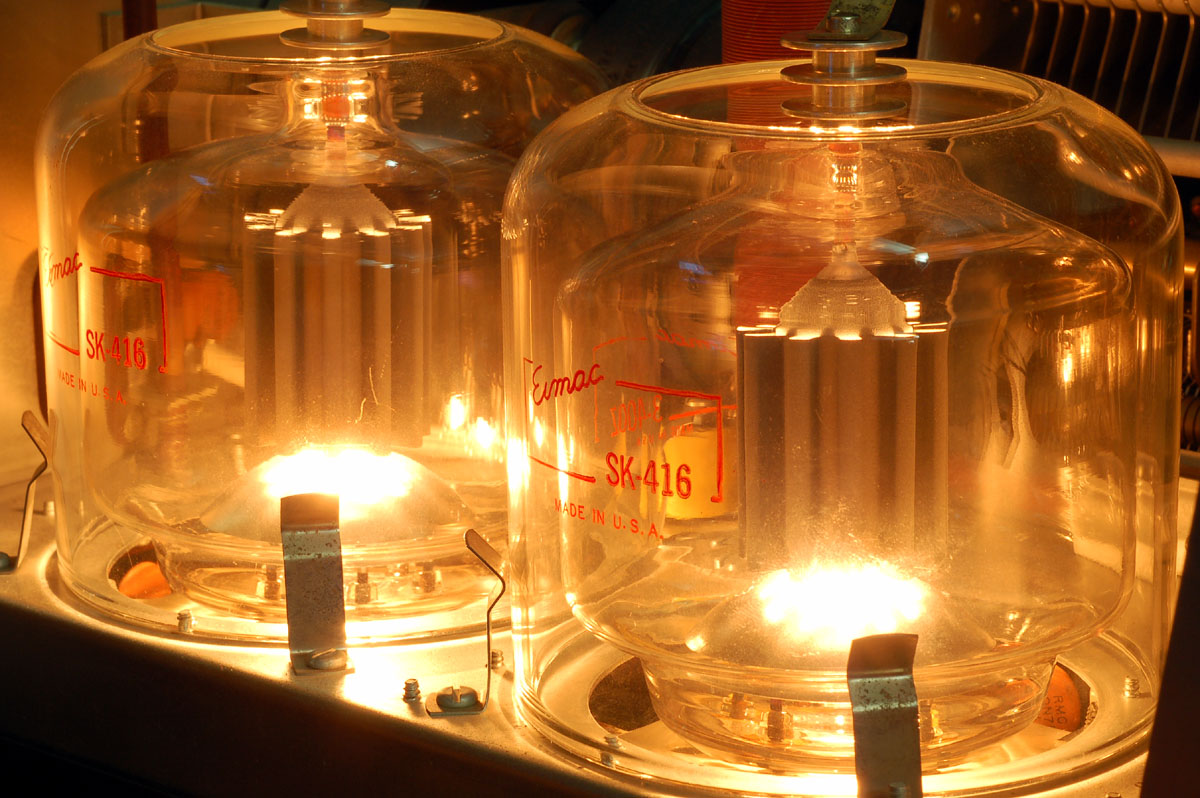
Eimac 3-400Z:
Eimac 3-400Z

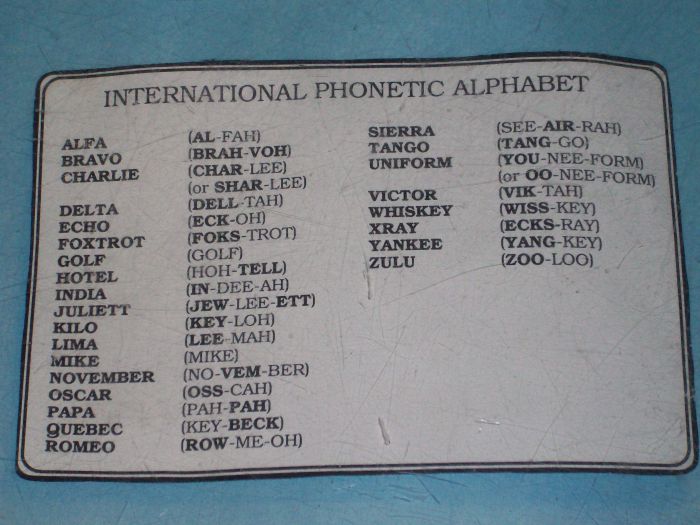
The Phonetic Alphabet from a picture I took inside a Minuteman II Missile Launch Center:

SGC 230:
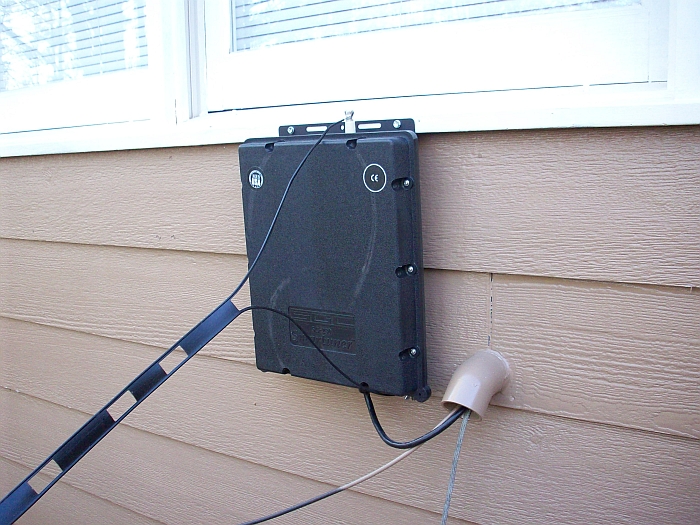
SGC 230 antenna coupler

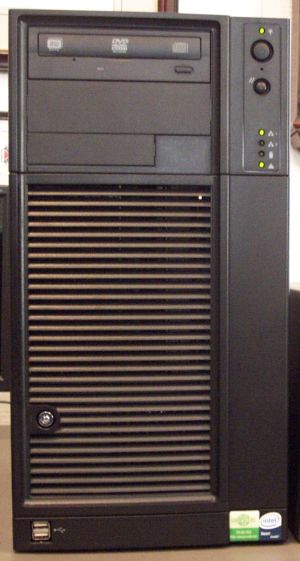
My Intel Xeon Quad Core RAID 1 Data Server:
My Intel Zeon Quad Core RAID 1 Data Server.

My Intel Xeon Quad Core RAID 1 Web Server colocated at a 5 Gbps data center:
My Intel Zeon Quad Core RAID 1 Web Server colocated at a 5 Gbps data center.

ARRL Amateur Radio News

Administrative Law Judge Says Washington State Licensee Can Keep Ham License

In January 2007, the FCC issued an Order to Show Cause to David L. Titus, KB7ILD, of Seattle, Washington, to justify why his General class Amateur Radio license should not be revoked and initiated a hearing process to determine whether Titus “is qualified to remain a Commission licensee” in light of a 1993 felony conviction at the age of 18 for “communicating with a minor for immoral purposes.” According to the FCC order, Titus received a 25-month prison sentence for this act, and the Seattle Police Department has identified him as a registered sex offender. On March 9, Administrative Law Judge Richard L. Sippel issued his Initial Decision -- saying that Titus “has been a law-abiding member of his community for many years” and ordered that Titus’ license should not be revoked based on the evidence presented by the defendant and witnesses on his behalf, as well as the FCC’s Enforcement Bureau failure to meet the burden of proof necessary for revocation. The FCC has said that The Communications Act of 1934, as amended provides that the Commission may revoke any license if conditions come to its attention that would warrant a denial of the licensee’s original application. In the past, the Commission has said that felony convictions, “especially those involving sexual offenses involving children,” raise questions regarding a licensee’s character qualifications. Sippel’s Initial Decision shall become effective and this proceeding shall be terminated 50 days after its release if exceptions are not filed within 30 days thereafter, unless the Commission elects to review the case on its own motion.

ARRL Requests Support for Senate Bill 1755

Senate Bill 1755 -- The Amateur Radio Emergency Communications Enhancement Act of 2009 introduced in October 2009 by Senators Joe Lieberman (ID-CT) and Susan Collins (R-ME) -- has unanimously passed the US Senate and has been sent to the US House of Representatives for consideration and now sits in the House Committee on Energy and Commerce. The ARRL is asking its membership to contact the leadership of the Energy and Commerce committee, requesting support and action on moving S 1755 through the committee. S 1755 accomplishes the same things as HR 2160; HR 2160 was introduced in April 2009 by Rep Sheila Jackson Lee (D-TX-18). Since S 1755 has already been approved by the Senate, moving it forward in the House will simplify the process.

FCC Amateur Radio Enforcement Correspondence Posted

The FCC has posted new Amateur Radio enforcement correspondence on its "Amateur Radio Service Enforcement Actions" Web page. Laura Smith, Special Counsel in the FCC’s Enforcement Bureau, sent a letters to the Sacramento (California) Municipal Utility District and to Northwestern Energy of Helena, Montana; Northwestern Energy also received letters voicing these same concerns in March and September 2009. These letters concerned complaints that equipment operated by these utilities may be causing harmful radio interference to Amateur Radio operators. Direct all questions concerning the Amateur Radio Service Enforcement Actions Web postings via e-mail only to the FCC Enforcement Bureau.

Bob Schroeder, N2HX, Awarded 2009 Bill Orr, W6SAI, Technical Writing Award

H. Robert "Bob" Schroeder, N2HX, of Ewing, New Jersey, has been named the winner of the ARRL Foundation's 2009 Bill Orr, W6SAI, Technical Writing Award for his article "Electromagnetic Pulse and Its Implications for EmComm" that appeared in November 2009 issue of QST. The editorial staff commented on Schroeder's article, saying that "the topic of nuclear EMP is somewhat esoteric by itself, let alone discussing its impact on Amateur Radio, yet the author did an outstanding job of making the subject matter understandable even to the relatively non-technical ham. His writing is clear and to the point, offering practical advice not only for EMP mitigation as it applies to the unlikely event of a nuclear burst, but also extending the same principles to mitigation for lightning damage."

Hamvention® Awards Deadline Is March 15

There are only a few days left to nominate individuals and clubs for the 2010 Dayton Hamvention® awards. While the Special Achievement Award, Technical Excellence Award and Amateur of the Year Award have been given for many years, Hamvention Awards Chairman Frank Beafore, WS8B, told the ARRL that in 2010, the Hamvention Awards Committee will also present a special award to the Amateur Radio Club of the Year. That award is tied to this year’s Hamvention theme, Amateur Radio Clubs Worldwide: The Lifeline. March 15 is the deadline for nominations for all four awards; winners will be notified in April and publicly honored at the 2010 Dayton Hamvention in May. Information on how to nominate a person or club for these awards is available at on the Dayton Hamvention Web site. Take this opportunity to recognize a special individual or club for their efforts on behalf of Amateur Radio.

The ARRL Second Homebrew Challenge -- And the Winners Are...

We had a good response to the Second ARRL Homebrew Challenge -- here's a quick summary.

Radio Club de Chile Lists Emergency Frequencies, E-mail Address

Radio Club de Chile (RCCH) President Dr Galdino Besomi, CE3PG, reports that the situation in Chile is “very complex” as the country suffers aftershocks registering 6.0 or higher after the 8.8 magnitude earthquake that hit Chile on February 27. “Red Chilena Nor Austral de Servicio (RECNA) and RCCH networks are working in coordination whit the Army of Chile, handling information about people localization, condition of roads and support for the emergency administration,” IARU Region 2 (Area G) Emergency Coordinator Jorge Sierra, LU1AS, told he ARRL. He has asked the amateur community to keep the following frequencies free from non-essential, emergency traffic: 14.200, 7.050, 7.095 and 3.738 MHz. “Other frequencies could be in use, especially on 40 meters. Before using any frequency it is very important to make sure it’s free,” he advised. The RCCH has set up an e-mail address where people can request information concerning people affected by the earthquakes.

The K7RA Solar Update

Two new sunspot groups appeared on March 1, numbered 1052 and 1053. The total number of sunspot groups appearing over the last month is 11. Looking at our 3-month moving average of daily sunspot numbers, the latest for December-January-February is 22.4, for the period centered on January. The average daily sunspot number for the month of February was 31. The fact that this is higher than the latest 3-month average is a welcome trend. The current 3-month average centered on January 2010 is very close to the 3-month average centered on January 2007, which was 22.7. That moving average has not been as high since. In fact, the closest it has been was February 2007, at 18.5. It was all downhill from there, and that average was below 10 from September 2007-October 2009. It now looks like we saw three minimums, which is why it was so easy to err when trying to locate the bottom. Several times we hit some low number, decided that things were improving, and then a few months later hit it again.

Surfin': Using the Internet as a Public Service Radio Scanner

This week, Surfin' discovers yet another use for the Internet in the RF world.

ARRL Seeks Input for New IARU Region 2 Band Plan

The International Amateur Radio Region 2 conference -- held later this year in El Salvador -- brings together delegations from the national Amateur Radio Societies in the Western Hemisphere. One of the topics on the agenda will be the Region 2 HF band plan. This band plan is "harmonized with" -- spectrum management-speak for "very similar to" -- the IARU Region 1 and Region 3 band plans.

Freeware that will help secure your windows computer...

Antivirus - Run only one
AVG Free Edition Antivirus
Avast Home Edition Antivirus Freeware
AntiVirus Personal Edition Classic Freeware
BitDefender 8 Free Edition AntiVirus Freeware
Avira Free
Antispyware
Microsoft AntiSpyware Beta
AVG Anti-Spyware Free Edition
Spybot Search and Destroy
AdAware SE Personal Edition
Ewido Security Suite - 14 day trial
A Squared Free
SpyBlaster
SpywareGuard
Online scans
Free Zone Alarm Online Scan
Trendmicro Housecall for Internet Explorer
Trendmicro Housecall for Firefox
Panda ActiveScan
F-secure Virus Scan
SyGate Trojan scan
eTrust Antivirus Web Scanner for Internet Explorer
Removal Tools
Kaspersky Removal Tools
AVG Manual Virus Removal tool
MacAfee Stinger Virus Removal Tool
Symantec Virus Removal Tools
Utility
CCleaner
Everest Home hardware and software information
Belarc Diagnostic Tool
Fresh Diagnose - Diagnostic and system resource
Memtest86 Stand-alone Memory Diagnostic
MicroSoft Memory Test
Digtal Dolly Hard drive utility
Boot Disk
BIOS beep and POST codes
Firewall Security Test
Firewalls - Use only one
Zone Alarm Free Version
SyGate Personal Edition
OutPost Firewall Free
Jetico Personal Free
Kerio Personal Firewall